Pilots don't panic-refresh a weather app. They read three numbers, make a decision, and move on. You can do the same thing before your Tuesday commute.
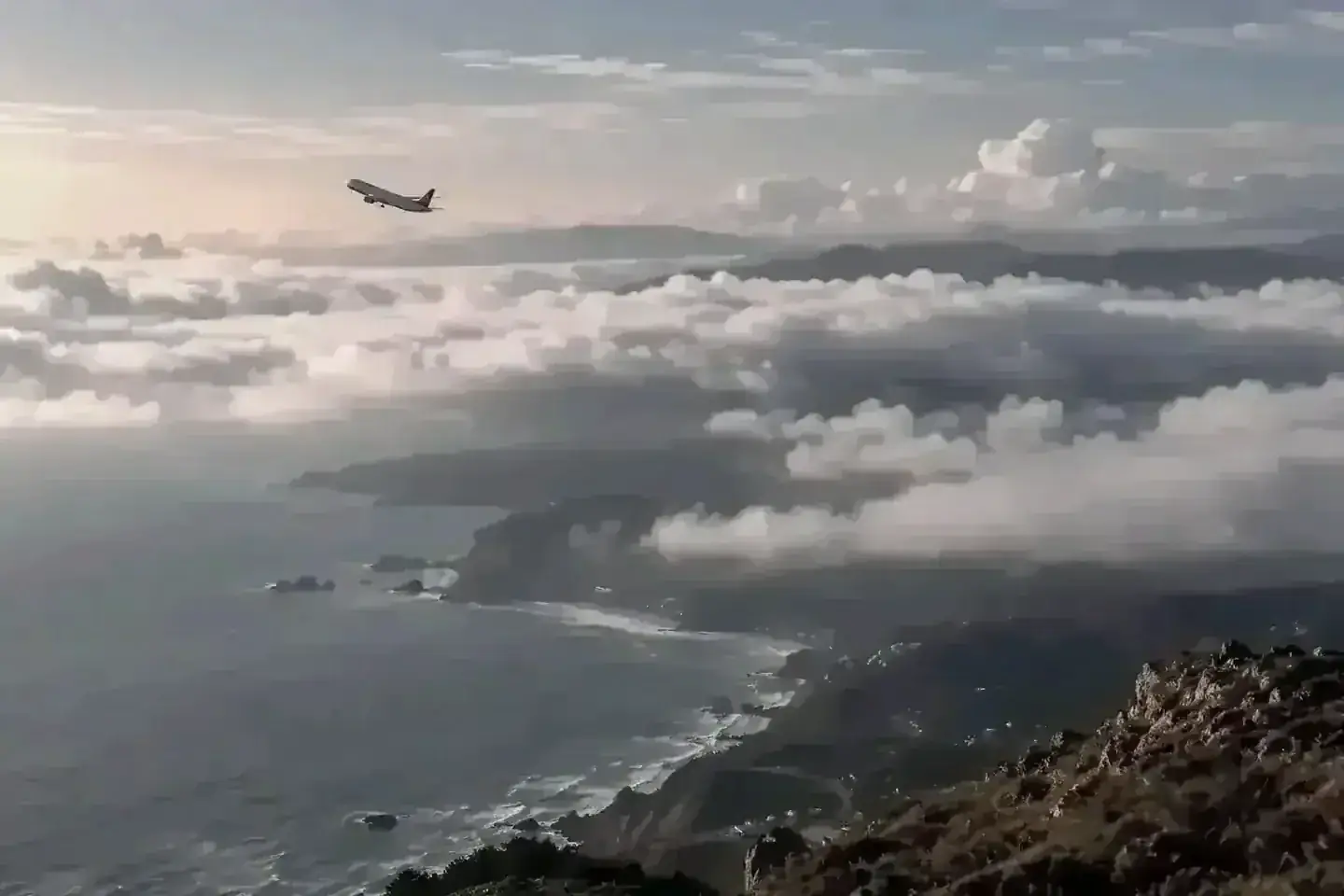
Pilots have a strange advantage over the rest of us: they’re legally required to check the weather before doing anything, and their lives sort of depend on reading it correctly. So they don’t scroll past the forecast to get to the little cartoon sun. They read three things, in order, and then they stop.
The Three Numbers That Actually Matter
Wind. Not “windy” as a vibe — an actual number, and which direction it’s coming from. A 10 mph wind is a pleasant afternoon. A 10 mph wind gusting to 35 is a lawn furniture emergency.
Visibility. This is the one civilians skip entirely, and it’s often more useful than temperature. Fog, haze, and heavy rain all tank visibility long before they show up as a “condition” icon you’d recognize.
Pressure trend. Not the pressure number itself — the trend. Falling pressure means something is moving in. Rising pressure means it’s clearing out. A single pressure reading tells you almost nothing; the direction it’s moving tells you almost everything.
Why This Beats Checking the App Six Times a Day
Refreshing a weather app repeatedly doesn’t make the forecast more accurate — it just makes you more anxious about a number that hasn’t changed. Pilots check once, make a go/no-go call, and check again only when something material changes (a new report comes in, they’re delayed, the flight plan shifts).
You can apply the same discipline to a Tuesday commute. Check once in the morning. If the pressure’s dropping and the wind’s picking up, grab a jacket. If nothing’s trending, trust the first read and get on with your day.
The forecast isn’t a live feed you’re supposed to babysit. It’s a briefing. Read it once, decide, move on.
A Worked Example
Say your app shows: 68°F, wind 8 mph from the southwest, pressure falling, visibility 6 miles. Translated: mild, a light breeze that won’t bother anyone, something’s moving in over the next several hours, and there’s a bit of haze or light precip reducing visibility already. That’s a “bring a light layer, don’t bother with the umbrella yet, but don’t plan a rooftop dinner for tonight” kind of day — and you got there in about four seconds, without needing the hourly breakdown.
The Takeaway
You don’t need six weather apps and a barometer collection. You need wind, visibility, and pressure trend, read once, in that order. Everything else is decoration. If pressure trend specifically is a new concept, here’s what it actually measures.