Nothing about the lake looked dangerous. The forecast, on the other hand, was not being subtle about what was coming that night.
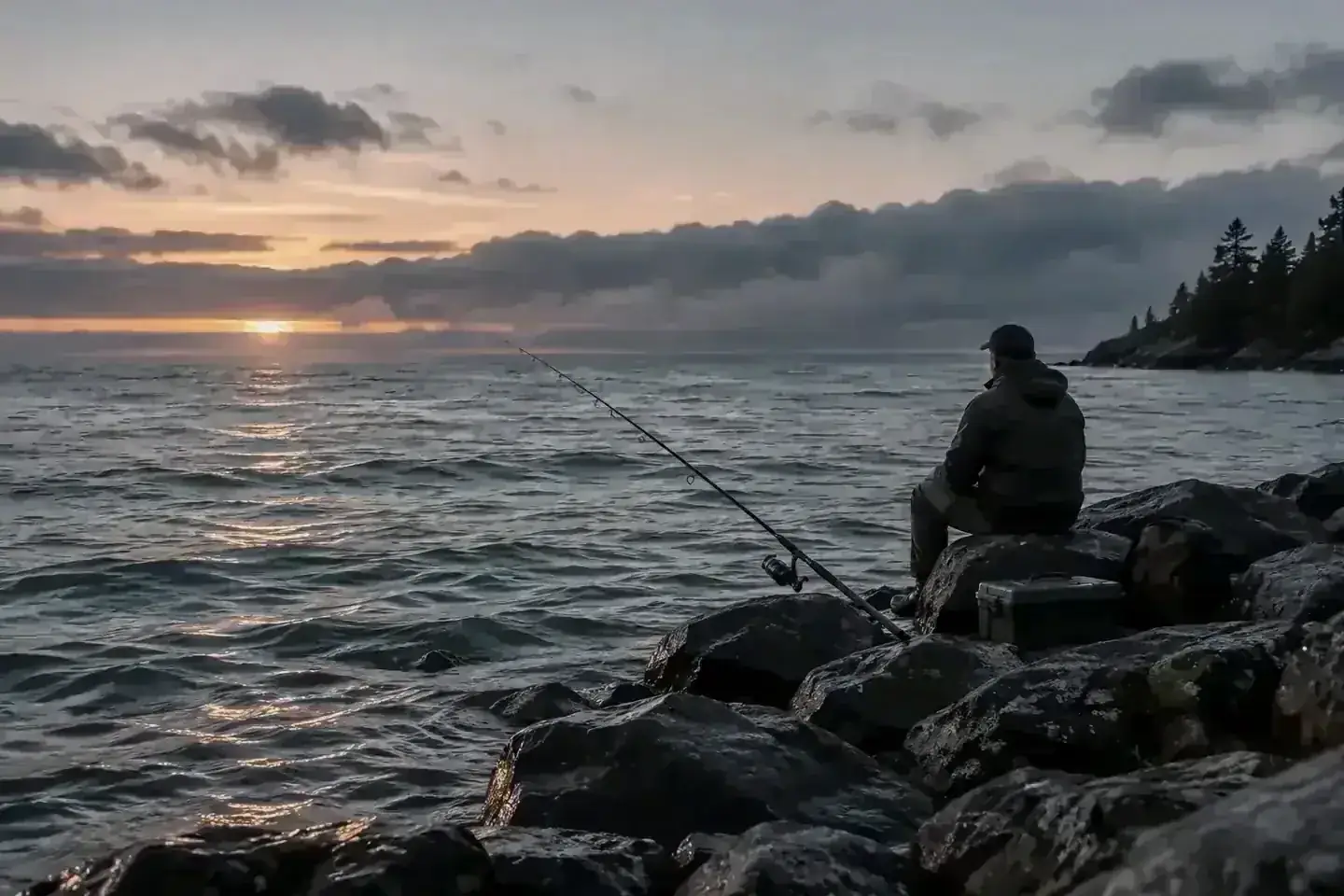
We’d set up on a lakeside site for three nights, and by the second afternoon everything about the immediate surroundings was calm enough that packing up early would have seemed, to anyone just looking around, like a strange overreaction. Still water, light breeze, nothing overhead but a few harmless-looking clouds drifting past.
I checked the overnight forecast anyway, mostly out of habit built from one genuinely miserable trip a couple of years back, and found a strong wind warning due to arrive around 1am, with gusts strong enough to be a real concern for a tent pitched close to open water and, worse, close to a stand of tall pines that had no business being that close to our site in the first place. The warning wasn’t vague. It named a specific window and a specific gust range, hours before anything visible had changed.
We made the unpopular call to pack up mid-afternoon, six hours before the wind was due, and drove into town for the night instead — a slightly deflating end to what had been a lovely couple of days, and one that got some genuine groaning from the younger members of the group who thought we were being dramatic.
The wind arrived exactly on schedule. We know because another group who’d stayed at a neighbouring site sent photos the next morning: a downed branch through the corner of a tent, thankfully unoccupied at the time, and a fair amount of gear scattered across the site by gusts that had clearly been stronger than anyone camping there expected.
Nobody was hurt, which is the only reason this story gets to be a slightly smug one instead of a genuinely bad one. If you’re camping anywhere near water or trees, check the overnight wind forecast specifically, not just the general outlook — a calm afternoon tells you nothing reliable about what’s arriving after dark, and six hours’ notice is worth a lot more than none. A cottage weekend nearly cancelled over the opposite mistake — trusting an old forecast instead of checking again — is worth reading too, if only to see how the same habit cuts both ways.