Fog cancels flights, ruins commutes, and gets zero respect. It also does something genuinely strange and beautiful to the atmosphere. A rebuttal, sort of.
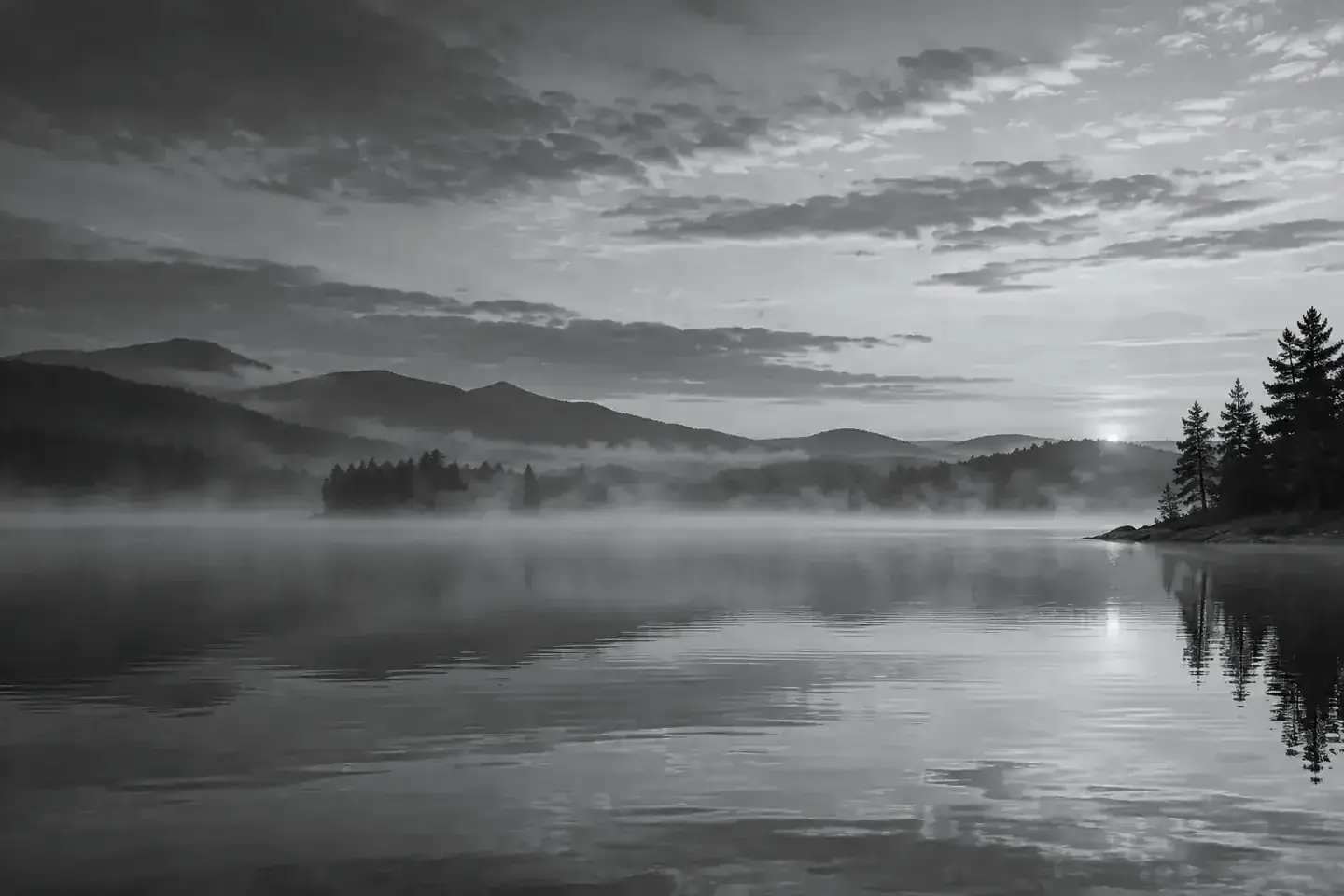
Nobody has ever opened a weather app, seen “fog” in the forecast, and felt good about it. It’s the condition equivalent of a group chat going quiet — technically not a disaster, but everyone assumes the worst. I’d like to make a case for fog anyway, because it’s doing something genuinely interesting up there, and it deserves better PR.
What Fog Actually Is
Fog is just a cloud that got too comfortable and decided to sit at ground level. It forms when the air temperature drops down to meet the dew point — the same number this blog has already made a case for — and the water vapor in the air condenses into visible droplets instead of staying invisible. That’s it. There’s no separate “fog mechanism.” It’s a cloud with poor boundaries.
There are a few different flavors, and they form for genuinely different reasons:
- Radiation fog forms overnight when the ground cools fast under clear skies, chilling the air right above it. This is the classic “burns off by 10am” fog.
- Advection fog happens when warm, moist air blows over a cold surface — this is San Francisco’s whole personality, courtesy of warm air meeting the chilly California current.
- Upslope fog forms when air is pushed up a hillside and cools as it rises, condensing on the way.
Why It Gets Such a Bad Reputation
Practically speaking, fog is disruptive. It’s the single biggest cause of weather-related flight delays that isn’t a storm, because visibility below a certain threshold makes takeoff and landing genuinely unsafe, not just inconvenient. On the road, low-visibility multi-car pileups are disproportionately a fog problem, not a rain or snow one, because drivers underestimate how fast visibility can collapse.
Fog isn’t dramatic. That’s exactly why it’s dangerous — nothing about it screams “slow down” the way a thunderstorm does.
The Part Worth Appreciating
Here’s the thing: fog is also the reason certain landscapes look the way they do. Coastal redwood forests exist largely because of advection fog — the trees rely on it for a huge share of their water supply during dry summers, catching moisture directly out of the drifting cloud instead of waiting for rain. No fog, dramatically fewer redwoods. It’s not just atmospheric inconvenience; it’s load-bearing for entire ecosystems.
The Takeaway
Fog deserves the caution it gets on the road and in the air — genuinely, drive slower, expect delays. But it’s not just an absence of good weather. It’s a cloud that never got the memo about altitude, and depending on where you live, it might be quietly keeping the whole landscape alive. One coastal walking group learned the timing side of this the useful way, moving a hike by forty minutes rather than fighting a bank of it head-on.