Weather explained
What the numbers on a forecast mean and where they come from — probability of precipitation, wind gusts versus sustained wind, feels-like temperature, pressure, and why two apps disagree about tomorrow.
28 posts

Frost Zone vs. Last Frost Date: Which One Tells You When to Plant
A hardiness zone tells you what survives your winter. A frost date tells you when to plant. Mixing them up is the most common planning mistake gardeners make.

Why the Earliest Sunset Comes Weeks Before the Shortest Day
The shortest day is December 21, but your earliest sunset arrives days or weeks sooner. We computed the dates for five cities and explain the astronomy behind the gap.

How to Read a Rain Radar: Colors, Loops and What It Cannot See
Radar shows what is in the air, not what has reached the ground. Learn what the colors mean, how to read a loop, and the blind spots that make a storm look closer or weaker.

Heat Index Explained: How the Number Is Built and Why Shade Changes It
The heat index is a formula, not a thermometer reading. See the NWS danger bands, worked examples, and why a number measured in shade understates your afternoon in the sun.
Wet-Bulb Temperature and WBGT: Why 95°F Can Feel Harmless or Brutal
Wet-bulb temperature is the number that says whether sweat can still cool you. Here is how it is measured, how to estimate it from a forecast, and what WBGT adds.

The North Face DryVent: What the Waterproof Claim Actually Covers
DryVent is a polyurethane coating, and The North Face describes what it does in words rather than numbers. Here's what that claim covers, and what it leaves out.

'It Was Frozen Yesterday' Is Not a Safety Plan
Ice thickness isn't just about how cold it's been — it changes by the hour, by the spot, and by factors most people never think to check before walking out.

Rain, Drizzle, and Showers Are Not the Same Word Wearing Different Hats
Meteorologists use these words precisely, even though everyone else uses them interchangeably. Here's what each one is actually telling you.

Why a 'Perfectly Calm Day' Can Still Delay Your Flight
Airports rearrange entire runway operations around wind direction, and a gentle breeze from the wrong angle causes more delays than people realize.
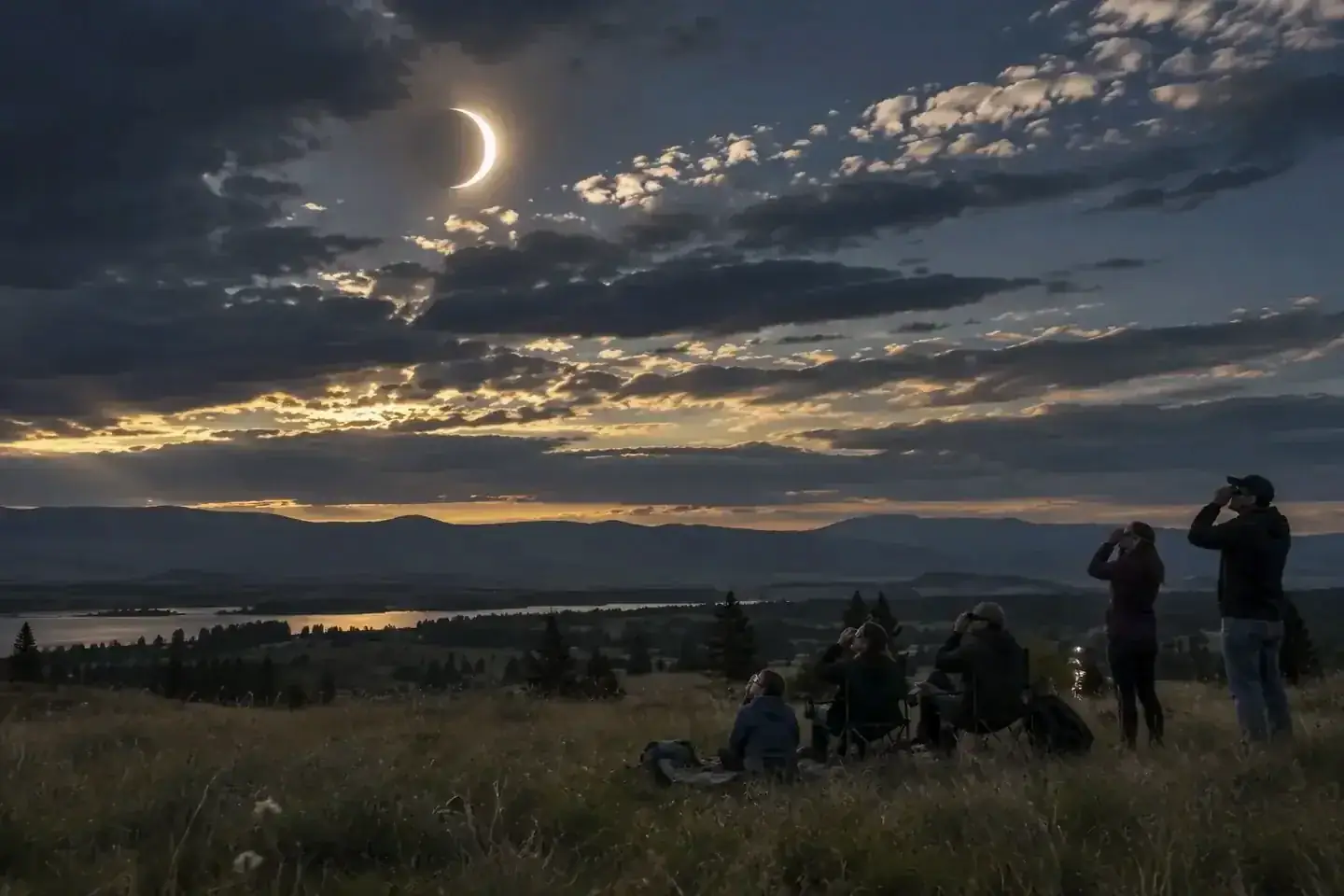
Why Your Weather App and Your Neighbor's Weather App Disagree
Same city, same afternoon, two different apps showing two different forecasts. It's not a bug — it's the fingerprint of a genuinely different model underneath.

Why Sailors Care More About Wind Direction Than Speed
A strong wind from the wrong direction can be more useless than a gentle breeze from the right one. Here's the logic behind reading wind the way sailors do.

The Sky Can Look Fine and Still Be Genuinely Bad for You
Wildfire smoke can travel thousands of miles and thin out to the point of near-invisibility while still carrying a real health risk. Here's how to actually tell.

Why Some Snow Closes Schools and Some Snow Doesn't (A Grown-Up's Guide)
Two inches shuts down one city and barely registers in another. It's not inconsistency — it's infrastructure, timing, and a formula most people never see.
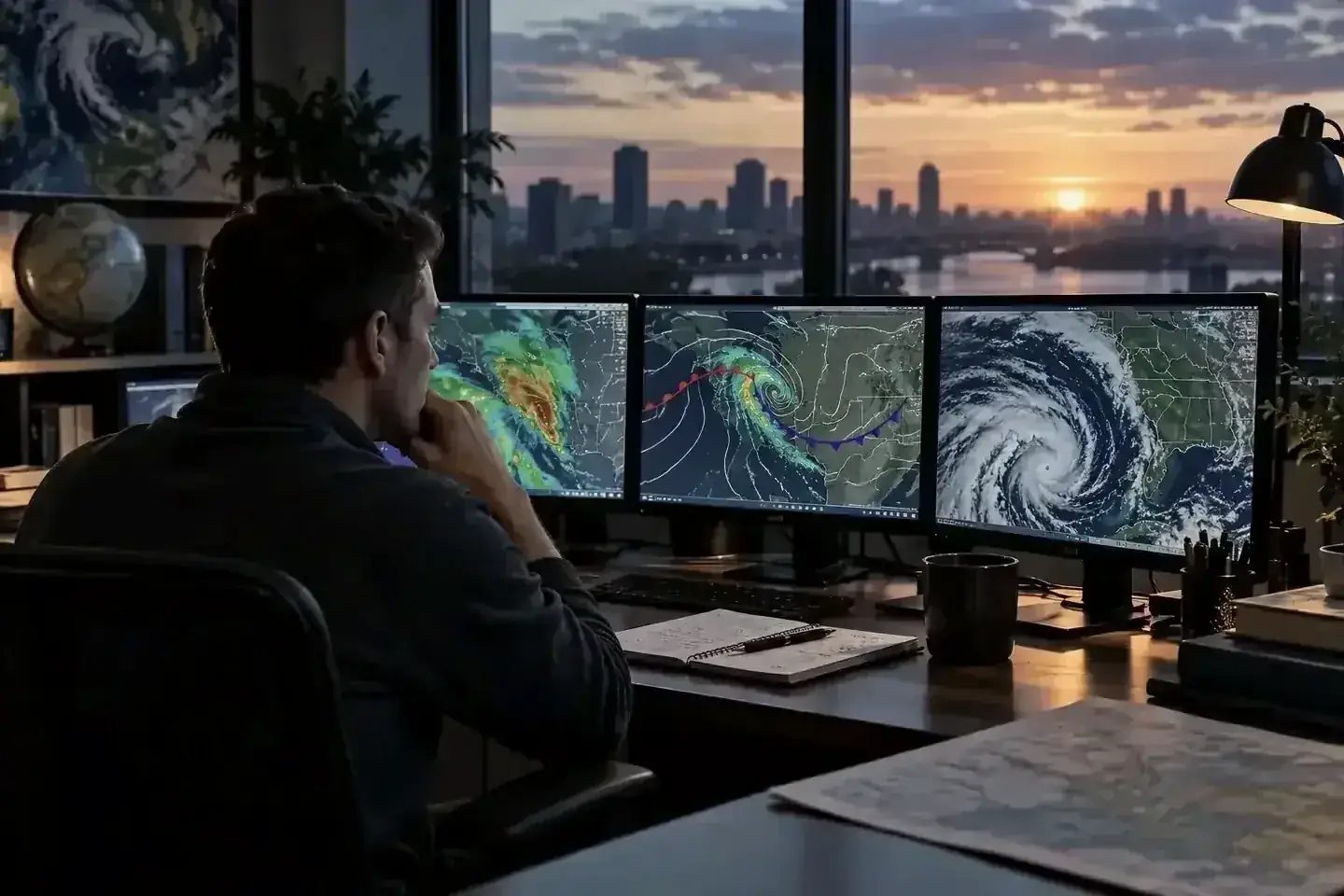
Why Some Coastal Cities Basically Have Two Different Summers a Mile Apart
Downtown is sweating through 90°F while the beach two miles away is a genuinely chilly 65°F. This isn't inconsistency — it's a well-understood, predictable pattern.

How Meteorologists Actually Predict the Weather (No, Not a Crystal Ball)
It's not vibes, it's not a magic satellite, and it's definitely not a groundhog. Here's what actually happens between 'raw data' and 'the forecast on your phone.'

Ozone Action Days: The Air Quality Alert With No Smoke, No Haze, No Warning Signs
You can't see ground-level ozone building, and by the time it's bad enough to notice, it's already a genuine health concern. Here's what actually triggers it.

Wind Chill, Heat Index, and 'Feels Like': Three Numbers Wearing a Trench Coat
'Feels like' temperature is doing the work of two completely different formulas depending on the season, and nobody tells you which one is running the show.

In Defense of Fog, the Weather Everyone Loves to Hate
Fog cancels flights, ruins commutes, and gets zero respect. It also does something genuinely strange and beautiful to the atmosphere. A rebuttal, sort of.
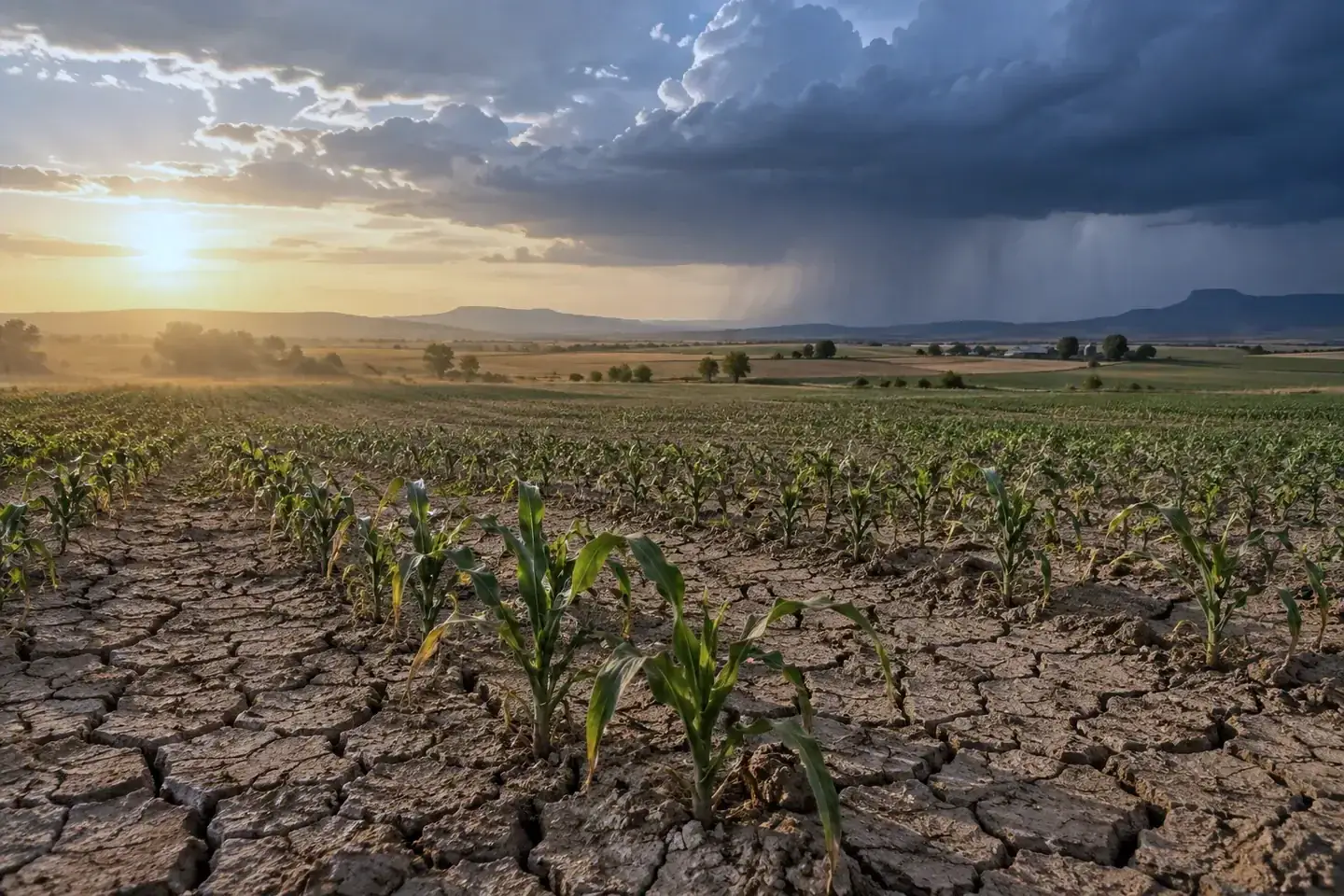
Dew Point vs. Humidity: The Only Two Numbers That Actually Matter
Relative humidity lies to you constantly. Dew point never does. Here's why one number on your weather app deserves way more attention than it gets.

Why Hurricanes Get Human Names (and Who Actually Picks Them)
There's a real committee, a real rotating list, and a real reason certain names get permanently retired. It's more organized than most people assume.

Why Some Flights Leave a Trail Across the Sky and Others Don't
Contrails aren't about the plane — they're about the exact atmospheric conditions at cruising altitude, and they're a surprisingly legitimate mini weather forecast.
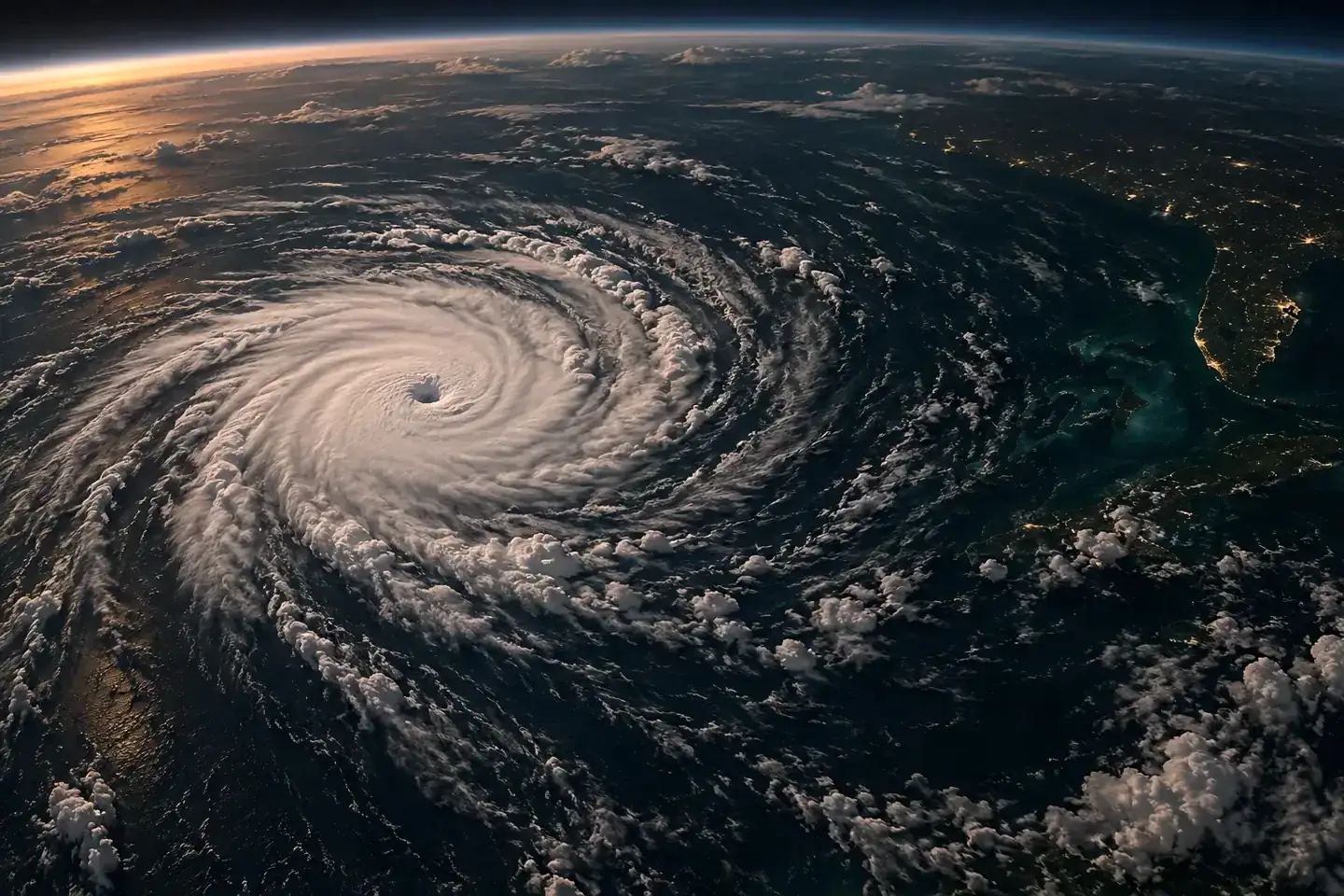
Why Pollen Forecasts Are So Much Less Precise Than Temperature Forecasts
Weather models can nail tomorrow's temperature within a degree or two. Pollen counts are a much blurrier science, and there's a real reason for the gap.
The Weather Number That Predicts Your Energy Bill Better Than Temperature Does
Two months with the same average temperature can produce very different heating bills. Utilities have a better metric than 'average temp,' and you can use it too.

Barometric Pressure: The Number Your Grandmother's Knees Understood Before Science Did
'I can feel a storm coming in my joints' isn't just folklore — there's a real, if modest, mechanism behind it. Let's talk about the most underrated number in weather.

Why Some Places Get Hit by Lightning Constantly and Others Almost Never
There's an actual global lightning hotspot, and it's not where most people would guess. The reason comes down to a very specific combination of geography.

How to Actually Read a Satellite Loop Instead of Just Watching It
Most people watch a satellite animation the way they'd watch a lava lamp — pretty, vaguely informative, not actually understood. Here's what it's really showing you.

Do Your Ears Really 'Feel' Weather Changes? Let's Check.
Somewhere between old folklore and real physiology sits a genuine, if modest, explanation for why some people swear they can feel a storm coming.

Why Your Backyard Has Different Weather Than the Forecast Says
The nearest weather station might be five miles away, at a different elevation, next to different terrain entirely. Here's why 'the forecast' and 'your yard' can quietly disagree.