Black ice isn't black, and it can pass for a wet road. Here is when the National Weather Service says it forms, why bridges go first, and some general advice for a slide.
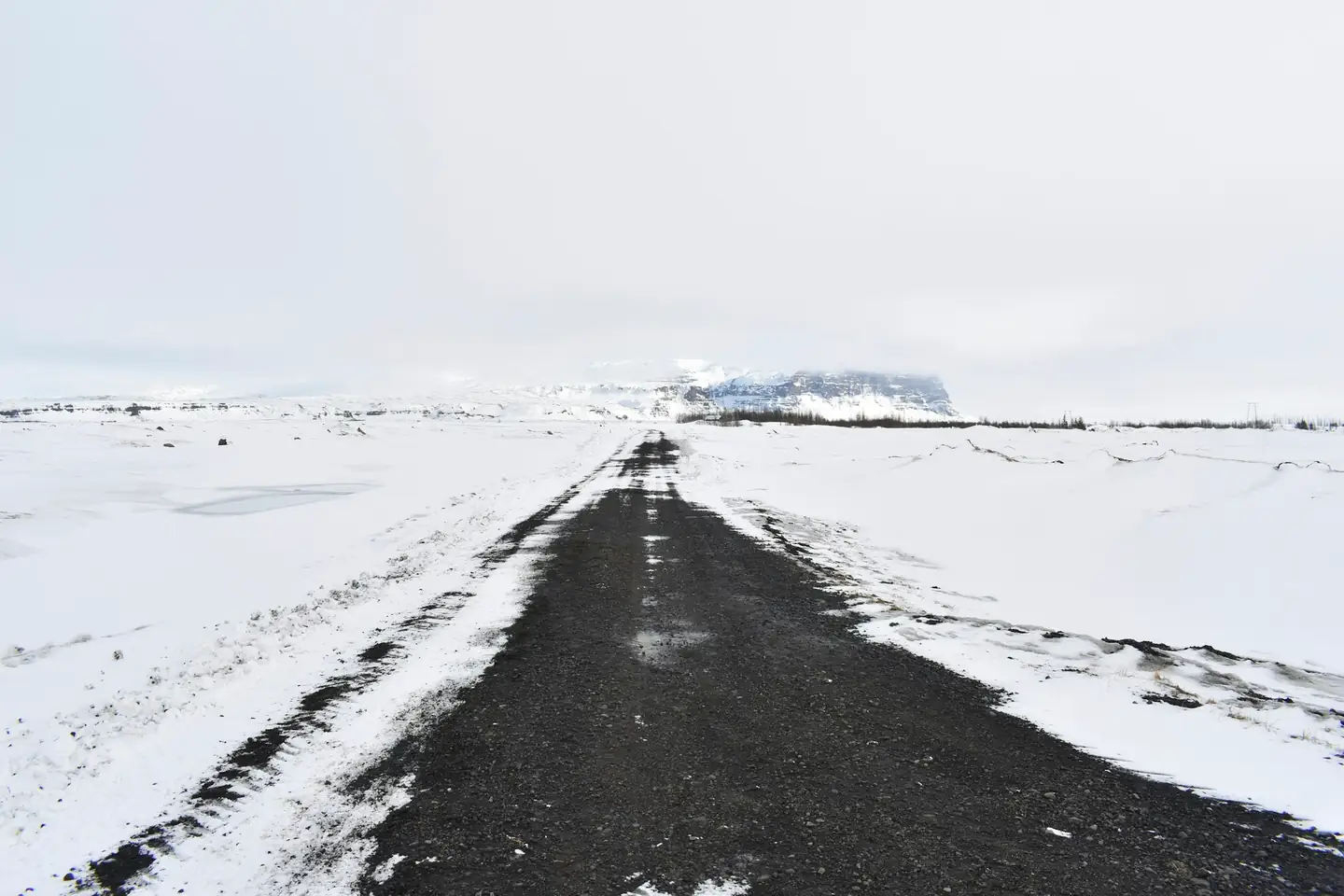
The name is misleading. Black ice is not a dark substance sitting on the road; it is a clear glaze that lets the dark pavement show straight through. That is exactly the problem: a stretch of road can look merely wet and be a skating rink.
The National Weather Service describes it as small patches of ice on a road or other travel surface that are very hard to spot, and it calls it a deadly driving hazard.
When it tends to form
The NWS says black ice shows up most often in the early morning. The classic setup is snow that melted on the road during the day and then refroze overnight as the temperature fell below freezing. Rain-wet roads can do the same thing if the temperature drops below freezing after dark.
So the risky window is not only during the storm. It is also the morning after. Roads that looked fine at dusk can still be holding water, and water becomes a clear sheet once the temperature falls below freezing.
Where it hides
The same NWS page flags bridges and overpasses as especially dangerous because they freeze before other surfaces do. Expect a bridge to be icy while the road leading up to it is merely wet.
Beyond that, it is reasonable to be suspicious of shaded corners and low spots where meltwater collects. Those are common-sense extensions rather than NWS findings, so treat them as places to ease off, not as rules.
How to read the forecast for it
Black ice is a temperature-timing problem, so the things to watch are the overnight low and whether anything wet is on the road beforehand.
- A low below freezing after a thaw or rain: this is the setup the NWS describes. Treat the morning commute as the risk.
- Hourly view: look at when the temperature crosses freezing, not just the daily low. Our guide to reading weather forecasts covers the hourly view.
- Winter alerts in your area: see snow forecast and warnings for what the alert wording means before you travel.
If you hit it
The advice below is general driving practice, not a WeatherPerch measurement or an NWS statement:
- Do not slam the brakes. Sudden braking is what breaks traction.
- Ease off the accelerator and steer gently in the direction you want the car to go.
- Leave far more following distance than you would on a wet road, and skip cruise control whenever the road might be icy.
The best defense is the one you make before you leave: know whether the temperature crossed freezing overnight, and if it did, assume the bridge is icy.
Source: National Weather Service winter safety page on ice and frost.
Photo: Greg Garnhart on Unsplash.