Weather safety
Lightning, flooding, heat, ice and power outages, written around published guidance from the NWS and other agencies rather than general caution. What to do, when to do it, and what the thresholds actually are.
18 posts
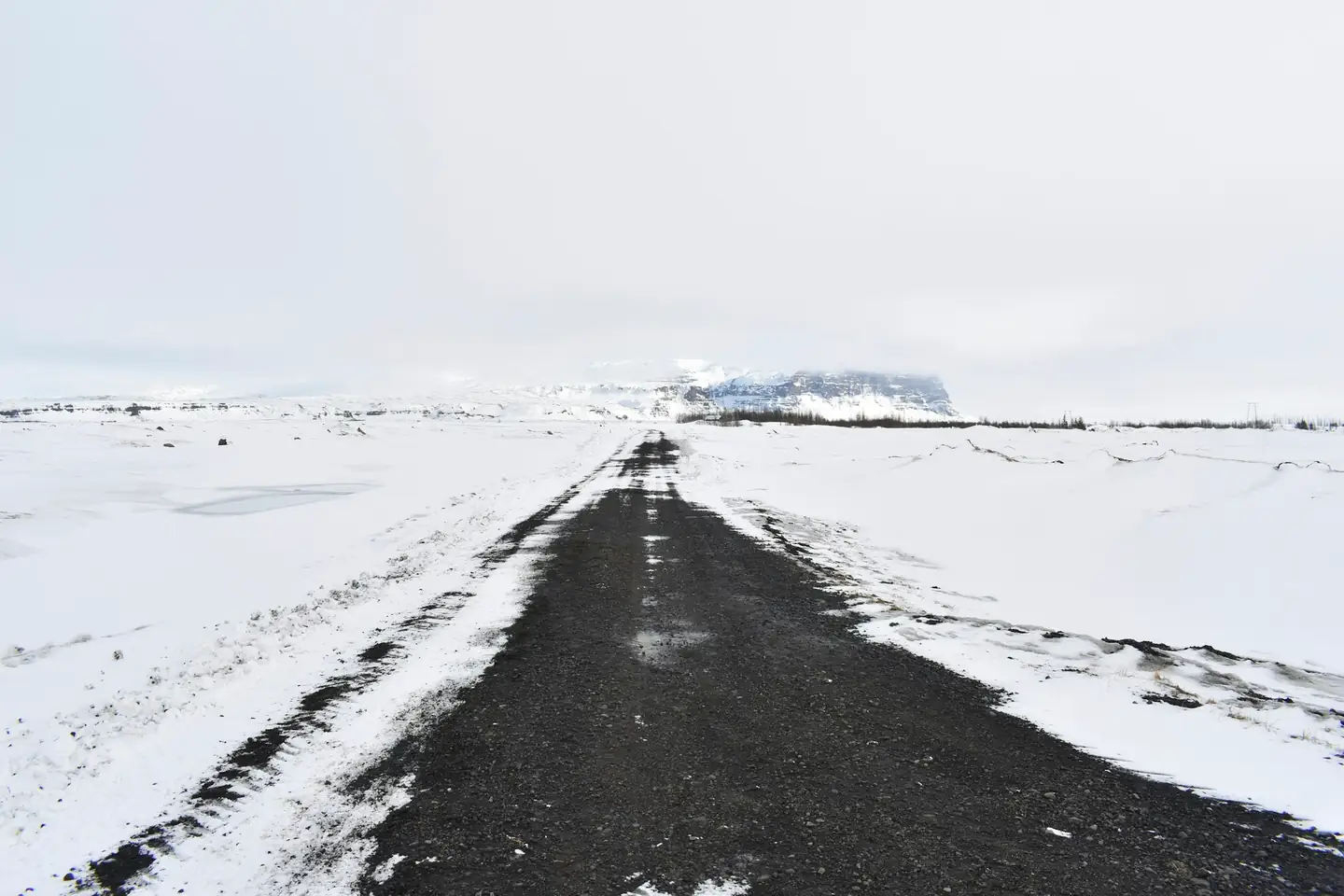
Black Ice: When It Forms, Where It Hides, and What to Do on It
Black ice isn't black, and it can pass for a wet road. Here is when the National Weather Service says it forms, why bridges go first, and some general advice for a slide.
Heat Index Explained: How the Number Is Built and Why Shade Changes It
The heat index is a formula, not a thermometer reading. See the NWS danger bands, worked examples, and why a number measured in shade understates your afternoon in the sun.
Wet-Bulb Temperature and WBGT: Why 95°F Can Feel Harmless or Brutal
Wet-bulb temperature is the number that says whether sweat can still cool you. Here is how it is measured, how to estimate it from a forecast, and what WBGT adds.

Trail Running in California: Fire Season & Air Quality
California trail running is best June–September, but fire season (August–October) means smoke days. Spring trails are muddy, winter is wet. Here's how to run safely through it all.

Hiking Weather in Colorado: Mountain Conditions Above 10,000 Feet
Colorado hiking above 10,000 feet means weather changes fast. Temperature drops 3.5°F per thousand feet, storms form by afternoon, and altitude affects your body. Here's what to expect.

Heatwave Forecast: How to Plan Around Dangerous Heat
A heatwave is more than a hot afternoon. Timing, overnight recovery, humidity, and official alerts shape the real risk.
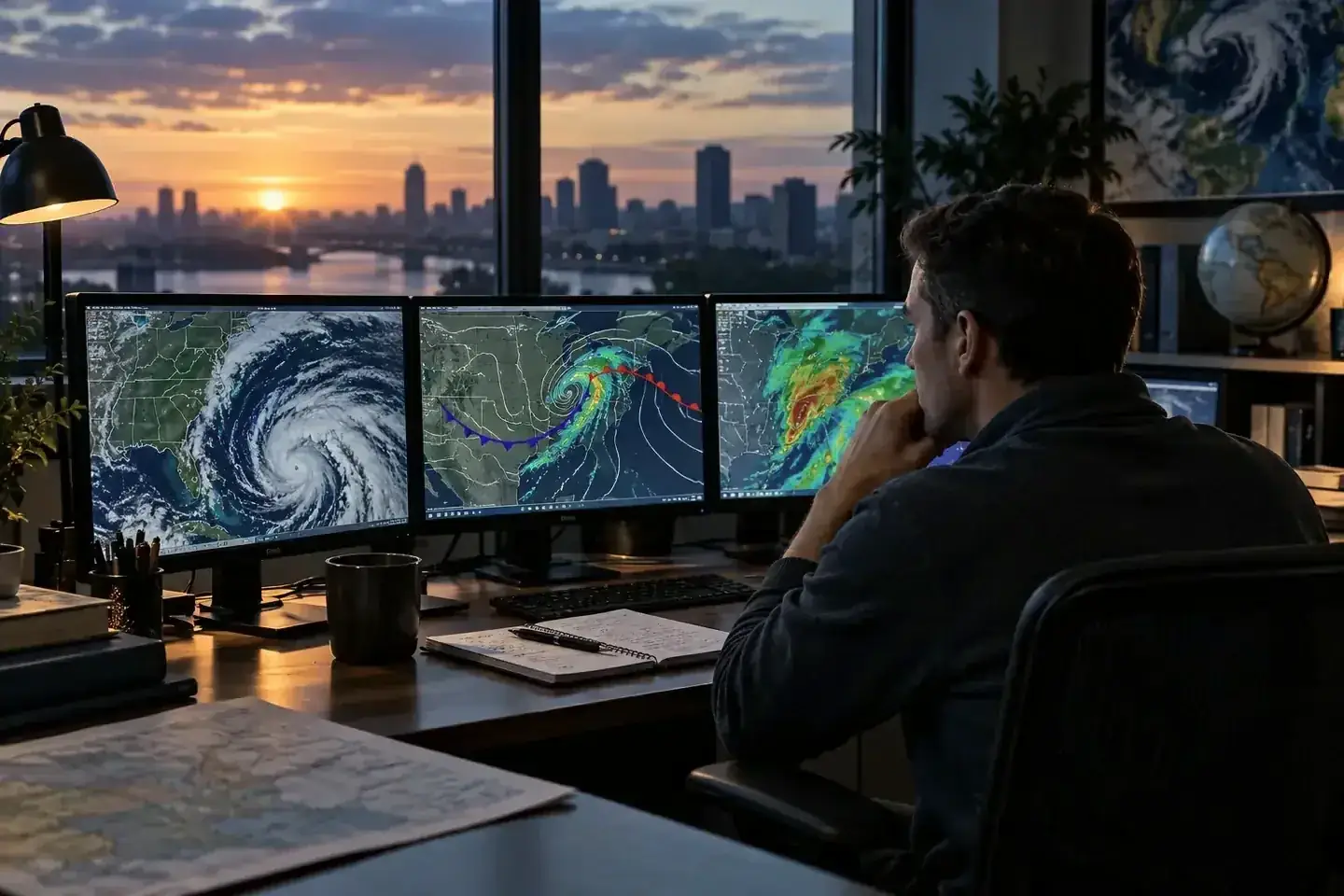
Outdoor Work Weather: Construction & Labor in Heat & Cold
Outdoor work is seasonal by necessity and safety. Summer heat is a hazard (heat exhaustion, heat stroke). Winter cold requires technical gear. Fall and spring are optimal. Know your limits.

'It Was Frozen Yesterday' Is Not a Safety Plan
Ice thickness isn't just about how cold it's been — it changes by the hour, by the spot, and by factors most people never think to check before walking out.
What Those Colored Flags at the Beach Actually Mean
Purple isn't decorative and yellow isn't a suggestion. A quick, practical guide to the beach flag system most people notice but never actually learn.

Snow Forecast and Warnings: What to Check Before You Travel
Snow totals matter, but timing, wind, ice, and official warnings often matter more for the journey in front of you.

Someone Was Struck by Lightning. Here Is What to Do First
The storm is still dangerous, but the person is safe to touch. Call emergency services, reduce further exposure, and begin CPR if needed.

The Power Went Out During a Storm. What Now?
A dark house gets stressful quickly. Protect people first, keep the refrigerator closed, avoid carbon monoxide, and report dangerous lines from a distance.

Five Thunderstorm 'Facts' Everyone Believes That Are Just Wrong
Rubber tires don't protect you from lightning, and it doesn't have to be raining for you to get struck. A myth-busting pass through thunderstorm folklore.
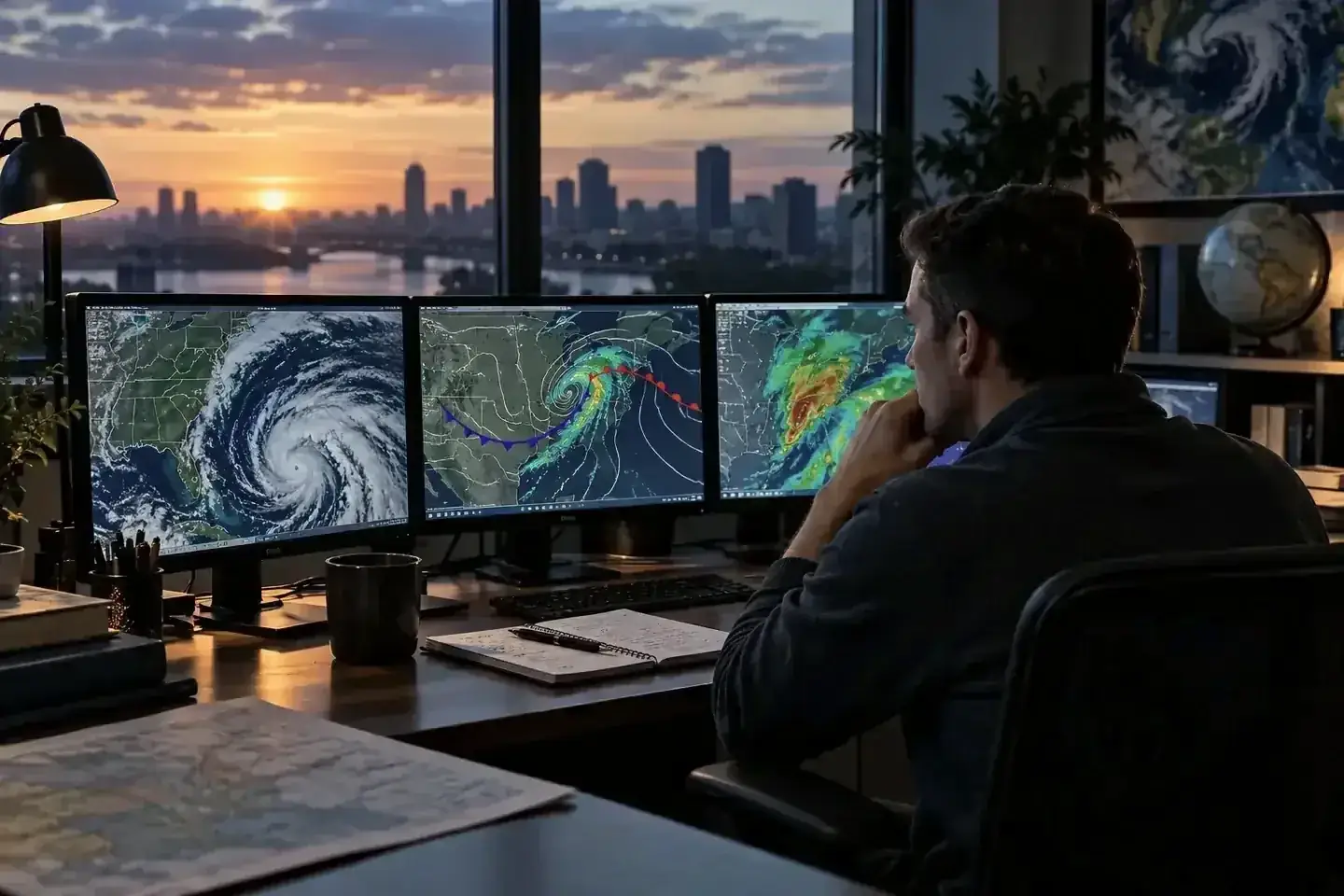
Storm Safety: What Actually Works and What's Myth
Rubber tires don't protect you. Your phone won't explode. Here's what actually keeps you safe when severe weather arrives.

A Severe Weather Preparedness Plan That Actually Works
A plan made during a clear sky is worth a hundred decisions made during a watch. Here's exactly what to prepare before the season hits.

Tornado Watch vs. Warning: The Two Words People Mix Up at the Worst Time
One means 'pay attention.' The other means 'take shelter right now.' Confusing them is one of the most dangerous, most common mistakes in severe weather.

What to Do During Rainy Season Before the Water Rises
Rainy season is easier when small routines are already in place: clear drains, protect medicines and documents, watch alerts, and never gamble on floodwater.

A Severe Thunderstorm Watch Is Your Cue to Get Ready
A watch is not a warning, but it is not background noise either. Use that window to bring people, pets, and loose outdoor items closer to safety.