The Smokies are beautiful and brutal. Fog (smoke-like haze from vegetation) reduces visibility year-round. Humidity hovers at 80%+. September and October offer the clearest views.
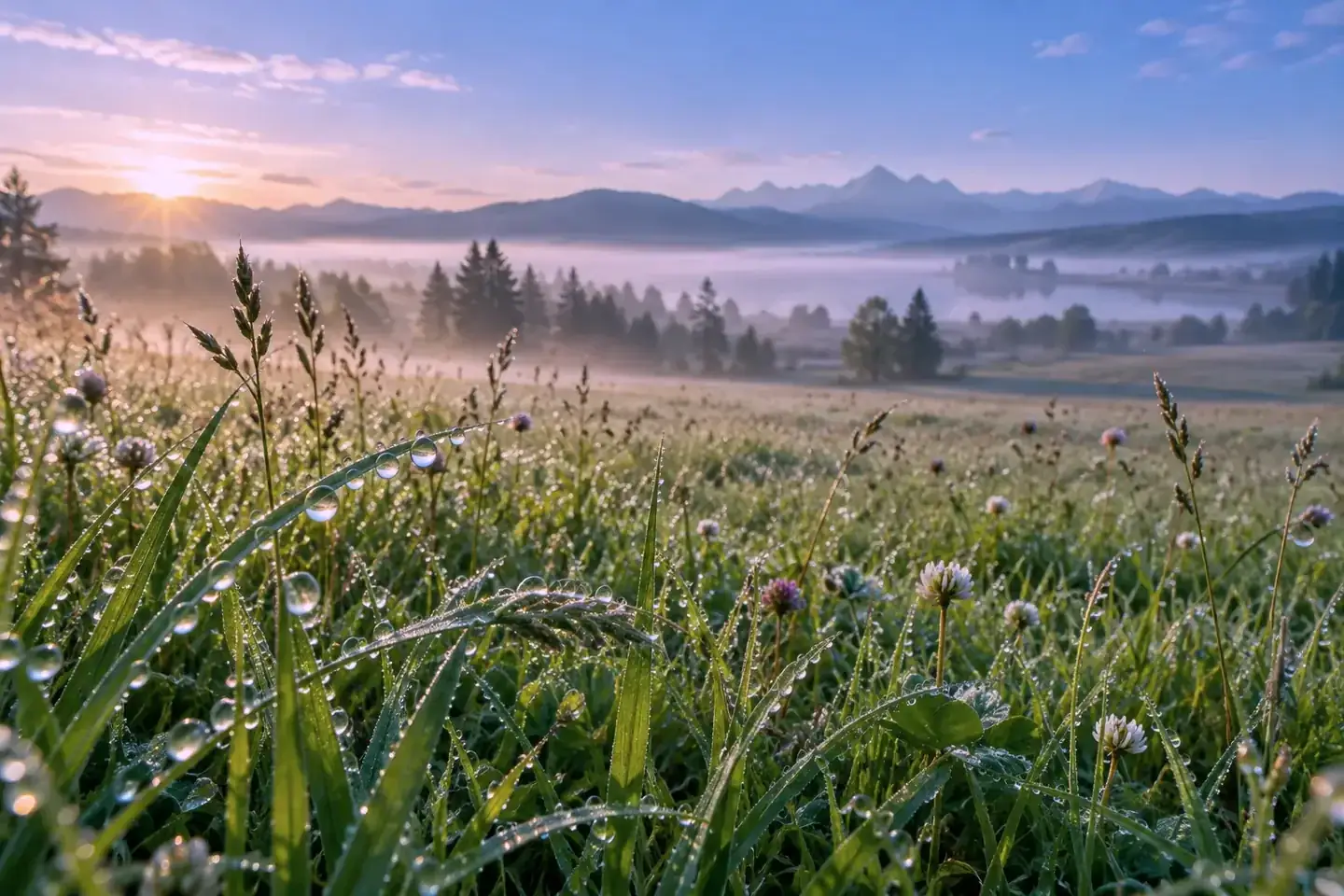
The Great Smoky Mountains earn their name from persistent fog/haze that reduces visibility. This isn’t rain or clouds — it’s a combination of high humidity and airborne particles (pollen, dust, natural volatile compounds from vegetation). The effect is called the “Blue Smoky” and creates that mystical-but-frustrating low-visibility landscape.
What’s Really Happening: Not Clouds, But Haze
The Smokies’ “smoke” is:
- High humidity (80–90% year-round)
- Elevation creating orographic lifting (clouds form by the mere act of air rising)
- Airborne particles (terpenes from vegetation, dust, pollen) that scatter light
This means clear-looking morning forecasts can turn into 20-foot visibility by midday. Your distant mountain view becomes “I can see 100 feet down the trail and nothing beyond.”
Seasonal Visibility Patterns
Spring (April–May): Pollen peaks, visibility drops. High humidity + tree pollen = worst visibility months. Plan for 1–3 mile vistas rather than 10+ mile overlook views. Afternoon thunderstorms are possible.
Summer (June–August): Haze persists. Heat (70–75°F at ridgetop, 80°F+ in valleys) drives thermal fog. Highest humidity (85%+). But fewer tourists than fall. Expect short-range views.
Fall (September–October): This is the window. After mid-September, visibility improves (pollen clears, thermal lift weakens, dry cold fronts sweep through). Late September and October offer the longest vistas (sometimes 20+ miles from high elevations). This is the season for Smokies hiking. Also peak tourist season.
Winter (November–February): Low vegetation means pollen clears, but actual clouds and fog form frequently. Temperature at high elevation (6,000 ft) can be 25–30°F while valleys are 50°F. Icy conditions above 5,500 feet on north-facing slopes after frost/rain events.
Elevation Temperature Changes
The Smokies climb from ~1,500 feet (valleys) to 6,643 feet (Clingmans Dome). Temperature drops ~3.5°F per thousand feet.
A 70°F Gatlinburg morning means 50°F at Clingmans Dome. A 50°F morning at the top means jackets-and-layers territory.
Wind strengthens dramatically with elevation. Ridge-top winds can be 2–3x valley winds.
Humidity and Real Conditions
Humidity at 85%+ changes gear and pace:
- Sweat doesn’t evaporate (clothes stay drenched)
- Temperature feels hotter than it is (70°F feels like 80°F when humidity is 90%)
- Trails are muddy year-round in shaded areas
- Microfiber shirts essential (cotton holds moisture)
Best Times to Visit
For visibility: Late September through mid-October. Plan 2–3 weeks in advance for hiking to score good weather windows.
For fewer crowds: May or late October. Visibility isn’t optimal, but trails are emptier than September.
For manageable conditions: April or October (reasonable weather, manageable crowds). Expect 3–5 mile visibility instead of 20 miles.
To avoid: June–August (peak heat + humidity + crowds), November–February (frequent clouds + cold).
Real Preparation
- Layers. The temperature swing from valley to ridge is 20–30°F.
- A rain jacket (not for storms, for moisture management and wind resistance)
- Microfiber base layer (cotton is useless in 85% humidity)
- Realistic expectations about views (September’s 20-mile vistas are the exception, not the norm)
- Early starts (trails get crowded, especially on weekends)
The Real Magic
The Smokies are genuinely beautiful. The fog/haze isn’t ruining the experience — it’s part of the experience. The mysterious, misty appearance is what makes the Smokies iconic.
Plan for late September, manage expectations about humidity, and bring the right gear. You’ll understand why millions of people hike here despite the challenging weather.